Okay, so check this out—your browser extension wallet is the thing you use every day to jump into DeFi. Wow! It sits between your funds and everything else on the web. My instinct said “no way” the first time I saw a UX that made approval dialogs one click away. Seriously?
Here’s the thing. Extensions are convenient. They feel like part of the browser, not an app. Shortcuts, quick swaps, and a UI that whispers “trust me.” But that ease is the exact tradeoff: that same tight integration opens you up to web-based risks that mobile or hardware flows mitigate by design. Initially I thought browser wallets were just lighter versions of mobile wallets, but then I watched an injected script siphon a mnemonic from a dev environment and realized the threat model is different—dramatically different, actually.
Let me be blunt. If you’re treating your extension wallet like a password manager, you’re already behind. Hmm… somethin’ about that never sat right with me. On one hand, extension UX needs to be simple; on the other hand, DeFi ops demand serious guardrails. On the one hand it’s a trust problem; on the other hand it’s a platform problem. You get the contradiction—it’s messy.
How attackers get in. Phishing is obvious. Malicious dApps prompt approvals that look legit. But there’s nuance: content script injection, compromised extensions, and clipboard sniffers that watch for copied addresses. Things people underestimate often bit me in the early days—tiny typos in contract addresses, the same ENS name used across testnets and mainnet, the wallet auto-approving “some” permissions because the UX nudged the user. It’s very very easy to make a small mistake and lose a lot.
Practical habits that actually reduce risk (and one tool I recommend)
I’m biased, but building habit is half the defense. Small changes compound. Do this: never paste private keys, never enter seed phrases into a website, and treat approval popups like legal contracts—read ’em loud and slow. Whoa! Make separate browser profiles. Use one profile for DeFi, another for casual browsing. It’s low-friction, and it reduces cross-site contamination.
Cold storage is great. Hardware is great. But let’s get real—most of us will use extension wallets because they connect to DEXs, NFT marketplaces, and yield dashboards with one click. So you need an extension you can trust and features that reduce human error: per-site permissions, granular approval flows, transaction previews that include token price and recipient address fingerprints. My instinct told me those previews mattered more than a fancy chart, and data later confirmed it—users who check the preview catch more malicious attempts.
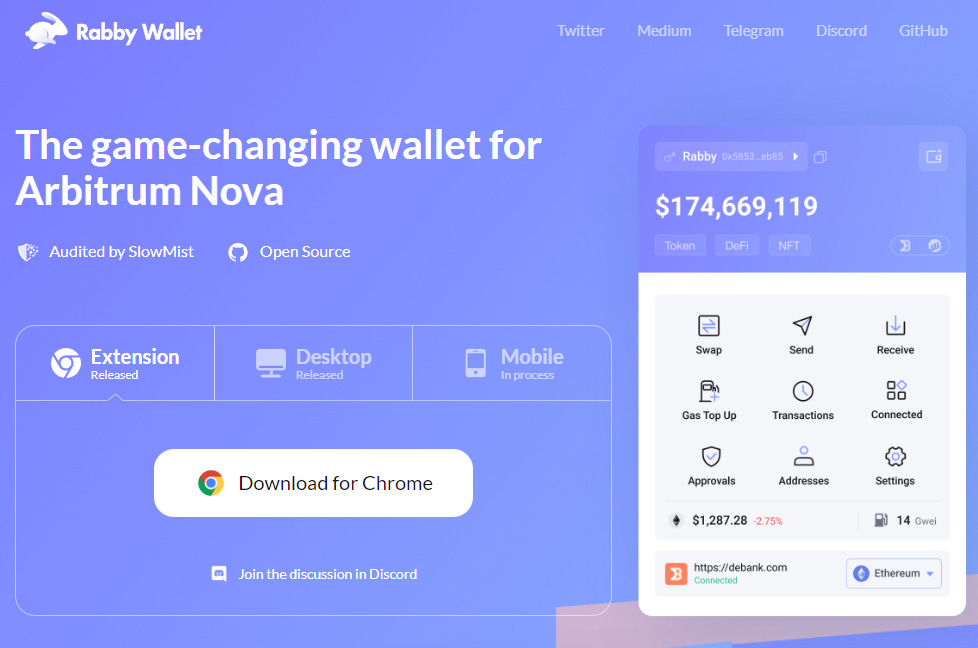
One extension that I keep recommending in the trenches is rabby wallet because it’s built with those guardrails in mind. I’ve used it while testing complex DeFi routes and appreciated how it separates account types and shows clearer transaction details. If you want to hear more about installing it, check out rabby wallet.
Okay, small digression (oh, and by the way…)—extensions can be compromised through supply chain attacks. A maintainer account gets phished, the extension update pushes malicious code, and users get tricked. That vulnerability isn’t theoretical. So one habit: treat extension updates like system updates—review permissions after big releases, and consider pinning a known-good version in enterprise settings if you can.
On the technical side, here are concrete defenses I rely on when designing or vetting an extension:
- Least-privilege approvals: the wallet should request only the exact allowances it needs, not unlimited token approvals. If a dApp asks for infinite allowance, pause. Really pause.
- Transaction humanization: show human-readable summaries, not just hex. Show recipient ENS or verified project info when available.
- Per-origin session management: allow ephemeral sessions, so approvals expire and require re-confirmation after timeouts or navigation changes.
- Secure UI patterns: prevent overlays from spoofing the wallet UI, and require biometric or PIN confirmation for sensitive ops (when platform supports it).
On the other side, there’s education. Most losses are human error layered on top of malicious intent. A quick checklist that I use before any transaction: confirm recipient, verify contract code when interacting with unknown contracts, cross-check amounts twice, and when in doubt, do a tiny test transaction. Hmm… my gut says that tiny tests are the single most underused tactic in DeFi tooling.
Tools matter. Use block explorers and contract verifiers. Use hardened browsers or dedicated user profiles. Consider a hardware wallet for high-value accounts—but here’s the nuance: hardware wallets don’t solve everything. If your browser passes a malicious transaction, a hardware wallet will still sign it. The defense there is clearer transaction descriptions and pre-transaction warnings with contract method decoding, which some wallets, including rabby wallet, emphasize.
Something else bugs me about tradeoffs: too many guides treat security as binary—either you’re secure or you’re not. That’s false. Security is layered. You stack protections until the risk is tolerable for your threat model. For a casual user, that might be profile separation, cautious approvals, and a 0.01 ETH test send. For a power user or yield farmer, add hardware keys, multi-sig, and automated monitoring alerts for outgoing approvals.
Now a bit of systems thinking. Initially I thought UX and security were always in tension. But actually, good UX can enable security. If a wallet makes safe defaults and explains why, users follow them. If confirmations are annoying, users will bypass them. So the design challenge becomes: how do we make the safe path the easy path without infantilizing power users? It’s hard. There are tradeoffs and messy edge cases—which is why I respect tools that iterate publicly and explain decisions.
On governance and transparency: open-source code helps but isn’t a magic wand. Code reviews matter, audits matter, but so does timeliness. An audited project can still ship a risky change between audits. So watch the repo, watch the changelog, and watch the team. If the maintainers are responsive and explain security decisions, that’s a positive signal. If they go dark after an update, that’s a negative signal. I’m not 100% sure of all red flags, but community trust is a useful proxy.
Finally, automation and monitoring: set up alerts for when approvals change, use services that notify you if a contract you interacted with becomes malicious, and consider allowance managers to revoke unlimited approvals. These are small steps but they close many common attack windows. I’m telling you—revoking old approvals is one of those chores nobody loves, but it saves people from follow-on drains.
Quick FAQ
Q: Is a browser extension wallet safe enough for large holdings?
A: Short answer: not by default. Long answer: with layered defenses (hardware for signing, dedicated profile, strict approvals, and careful habits) you can minimize risk. But for very large balances, move funds to cold storage and use the browser extension only for active trading windows.
Q: How do I tell if a transaction is malicious?
A: Look for mismatched recipients, odd method calls (e.g., approve() to unknown contracts), and amounts that differ from what you expect. Use decoded calldata views and verify contract addresses on explorers. When unsure, do a micro-transaction test and consult the community.
Leave a Reply